reporting web platform

NPPO Belstat

Belstat's NRP is a digital platform for monitoring Belarus's Sustainable Development Goals (SDGs), consolidating key indicators for national and international collaboration. PRAS modernized the platform by optimizing cross-level regional workflows, improving data quality, and automating analytics.

client
task
Modernizing the NRP system to automate SDG progress analytics, optimize cross-level workflows, and enhance data quality.
technologies
Java Spring Boot, C#, ASP.NET Core 8, PostgreSQL, Angular 14, HTML, SCSS, TypeScript
release date
December 2025
Main page of the project
technical specifications and UI features
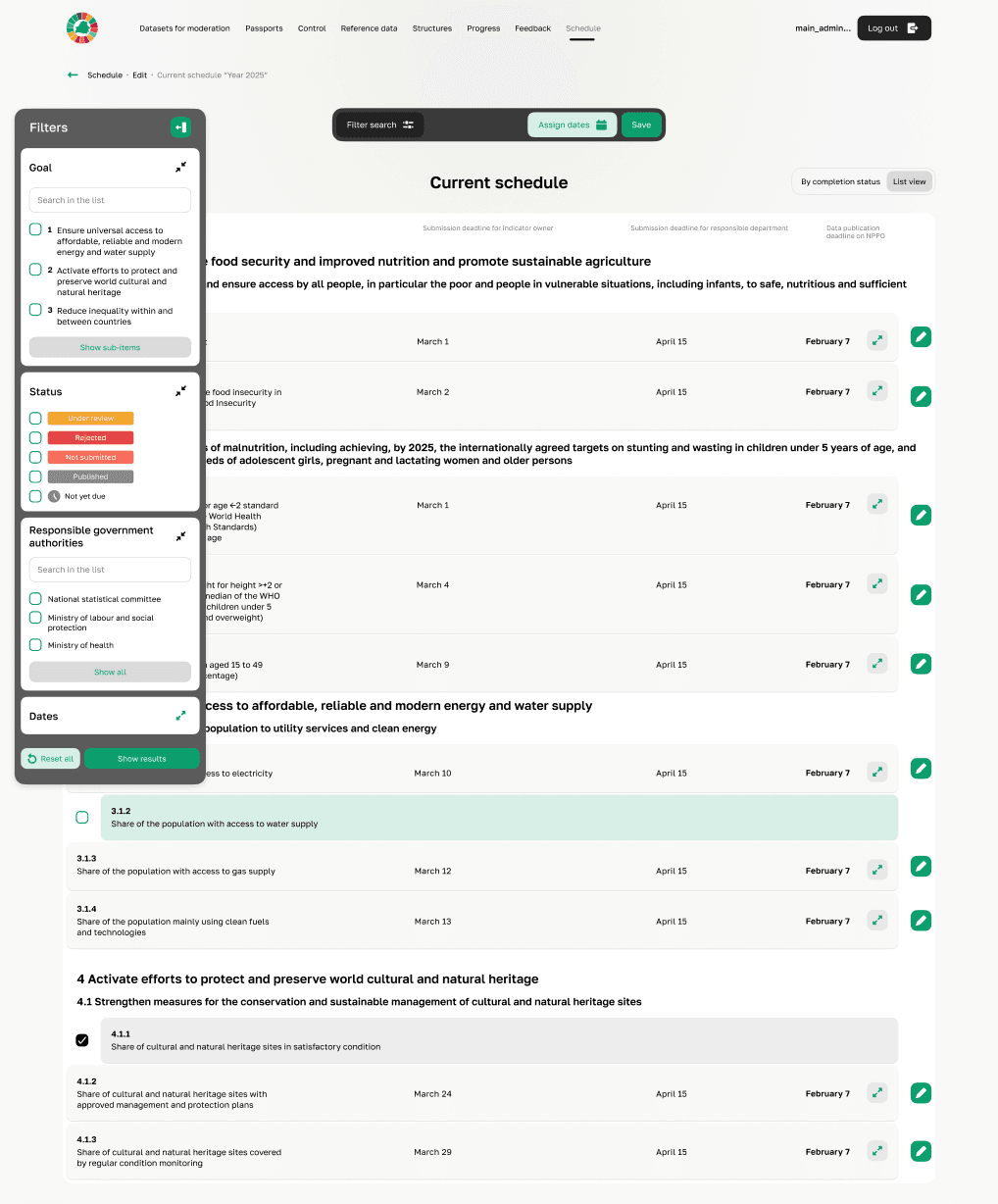
  • Data Collection Schedule: interactive timeline module for setting and automatically monitoring SDG data collection deadlines across national and regional levels.
  • Role-Based Messaging: personalized access control and targeted alert dispatch based on user roles and industry sectors.
  • SDG Progress Analytics: algorithmic modules for automated calculation and visual rendering of goal targets.
  • Dataset Conversion Engine: upgraded mechanism for converting and importing international statistical datasets.
  • Traffic Analytics Integration: built-in tracking mechanisms for analyzing user traffic across platform modules.
value for businesses and users
  • High Data Accuracy: multi-stage validation and cross-module checks ensure high data fidelity across all moderation phases.
  • Deadline Compliance: automated schedule monitoring eliminates delays in statistical indicator submissions by providers.
  • Systemic Integration: seamless operational interaction between regional inputs and national consolidation tiers.
  • Operational Efficiency: reduced administrative burden via automated calculations, scheduling, and targeted alerts.
review

As part of the project, the NPPO information system was modernized. These system improvements have ensured high data quality for SDG monitoring at all moderation stages and increased the overall efficiency of the NPPO.

This review in .PDF
next section of the site
in which

solutions developed by PRAS are demonstrated